Team

existentials:LAB is an international scholarly collective for existential inquiry in healthcare and health professions education.

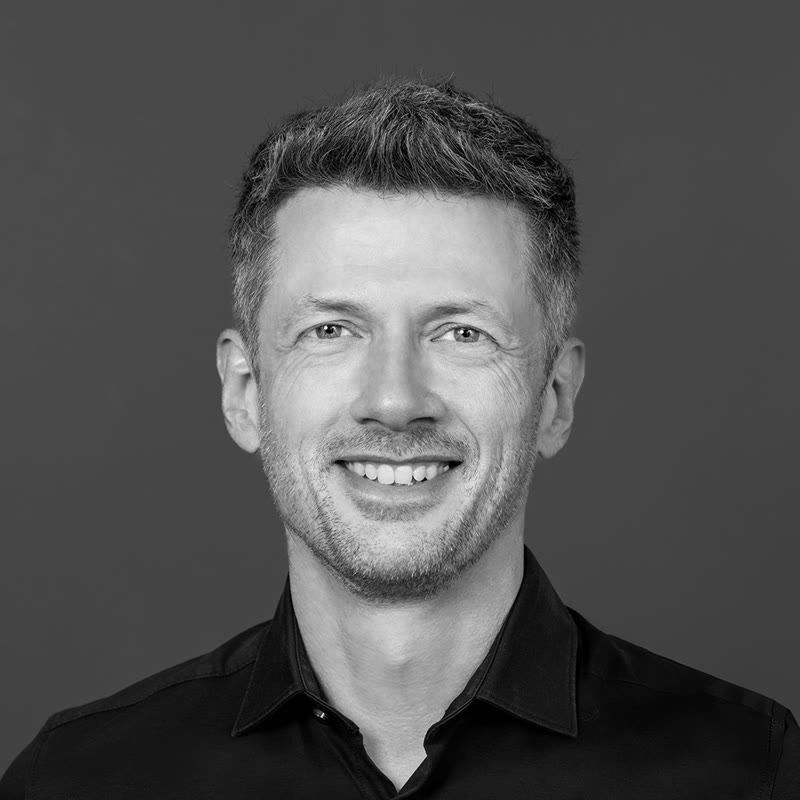
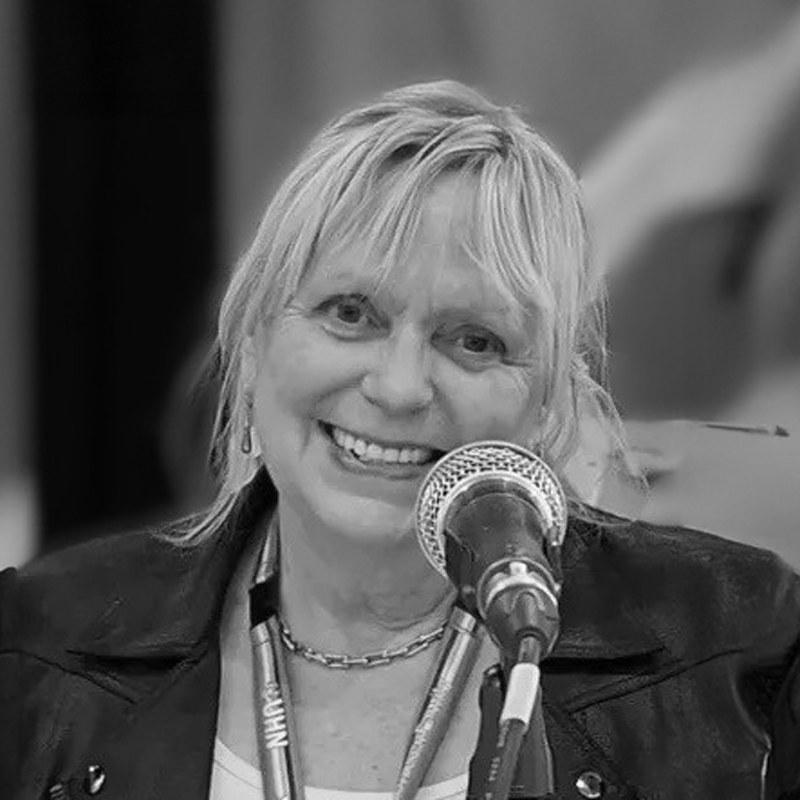
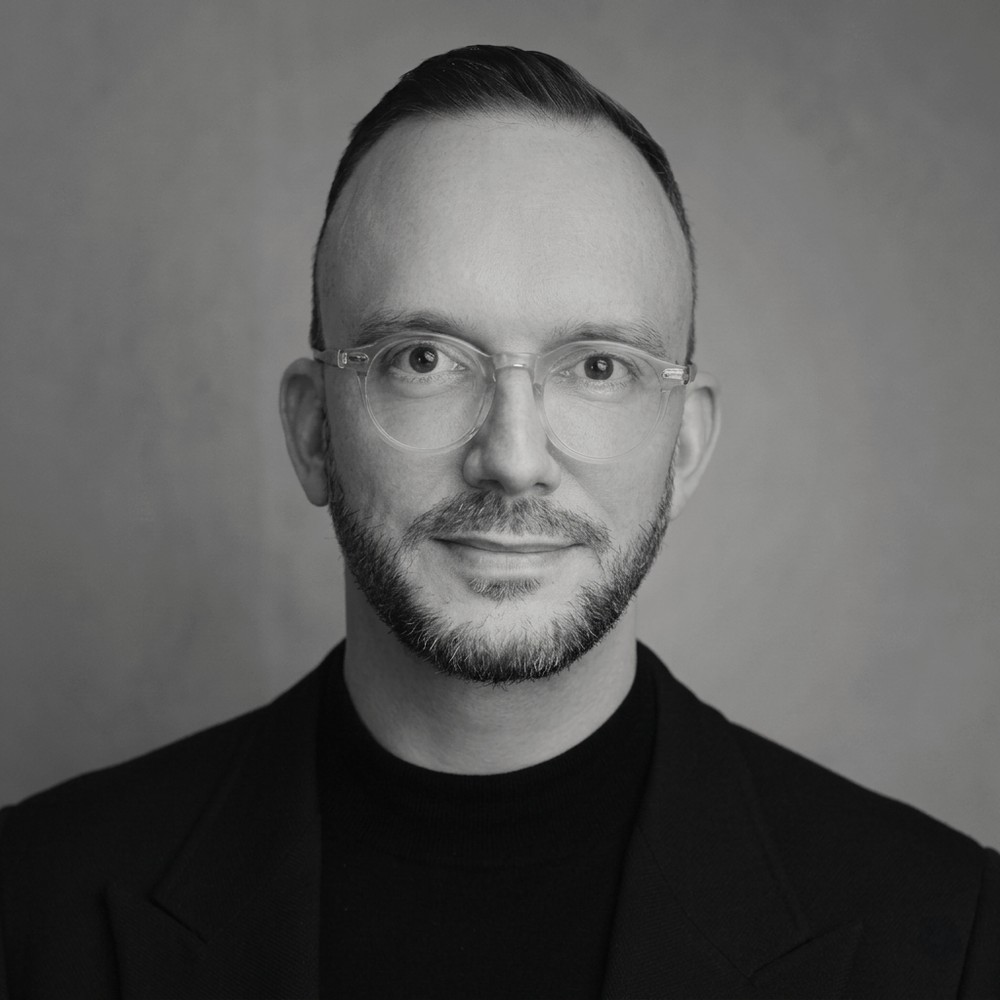
Portrait of Christian Schulz-Quach

Founding Director

Psychiatrist and existential psychoanalyst · Wilson Centre Scholar · Education Investigator 2, The Institute for Education Research at UHN

Christian Schulz-Quach

MD · MSc · MA · MBA · MRCPsych (UK) · FHEA · MDPAC(C)

Christian Schulz-Quach is a psychiatrist and existential psychoanalyst whose work concerns the parts of clinical life that do not resolve. He is Associate Professor in the Department of Psychiatry at the University of Toronto, a scholar at the Wilson Centre and The Institute for Education Research (TIER), and Medical Director of Workplace Violence Prevention at University Health Network (UHN). Across these roles the question is consistent: what allows clinicians and patients to go on making sense of illness, harm, and mortality when the situation itself cannot be corrected.

He trained in Germany, the United Kingdom, and the United States, holds specialist qualifications in psychiatry, psychosomatic medicine, and consultation-liaison psychiatry, and is certified in medical psychotherapy, psychoanalysis, and gender, sex, and relationship diversity (GSRD) therapy. He maintains a Toronto and Berlin practice in existential-phenomenological psychotherapy, supervises residents and early-career therapists, and serves as psychotherapy site coordinator for postgraduate medical education at UHN. He is completing a doctorate in psychoanalysis at the Boston Graduate School of Psychoanalysis through a single-case heuristic inquiry.

His systems work has been built in settings where existential pressure is ordinary rather than exceptional. He is Medical Director of the Sexual and Gender Diversity in Cancer Care Program at Princess Margaret Cancer Centre, serves Ontario Health as Quality Lead for Mental Health Services in Psychosocial Oncology, and co-leads the #MutualRespect workplace violence prevention program at UHN. He has received several awards and recognitions for his work, in palliative medicine, psychosocial oncology, health professions education, and quality and safety.

He also works outside the journal article. Documentary and narrative projects on queer aging, endings, and caregiving are a continuous part of his scholarship. He writes in German and English. existentials:LAB grew out of conversations he kept having with colleagues in several countries, and he understands his role as building a platform for the positive belonging of an existential collective: a place where scholars, clinicians, artists, and people with lived experience can think together about finitude and meaning without having to arrive at agreement.

Appointments

  • Associate Professor, Scholar, University of Toronto and University Health Network, Wilson Centre
  • Associate Professor, Clinician-Educator, Department of Psychiatry, University of Toronto, Division of Consultation and Liaison Psychiatry
  • Medical Director Workplace Violence Prevention, University Health Network
  • Medical Director, Sexual and Gender Diversity in Cancer Care, Princess Margaret Cancer Centre
  • Ontario Health: Quality Lead — Mental Health Services, Psychosocial Oncology
  • Associate Professor (Status-only), IHPME, Dalla Lana School of Public Health

Selected honours

  • Henry Durost Award for Excellence in Creative Professional Activity, Department of Psychiatry, University of Toronto, 2026
  • Tarkovski Grant, 2026
  • Cancer Programs and Genetics Achievement Award, Cancer Care Ontario, 2025
  • Education Excellence Award, Canadian Association of Psychosocial Oncology, 2025
  • UHN President’s Quality & Safety Award, 2025
  • Science Award, German Association for Palliative Medicine, 2011, 2014, 2015
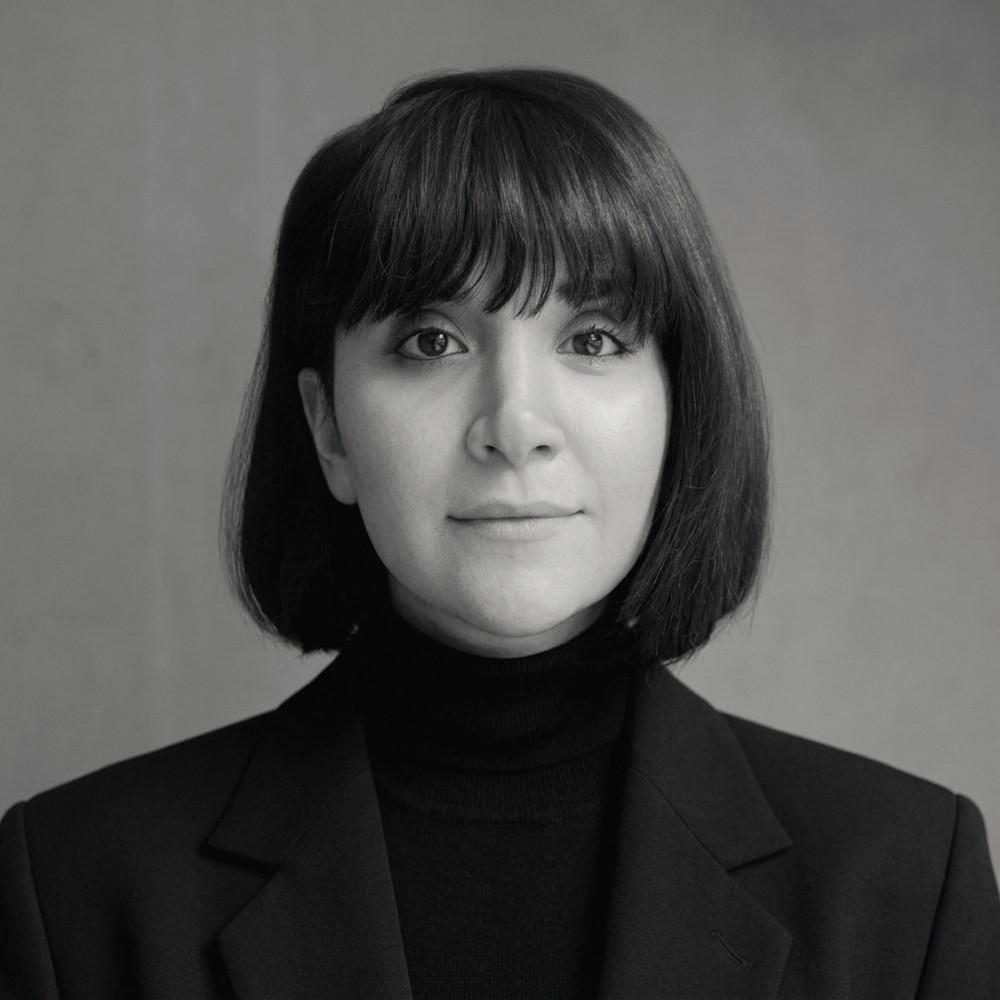
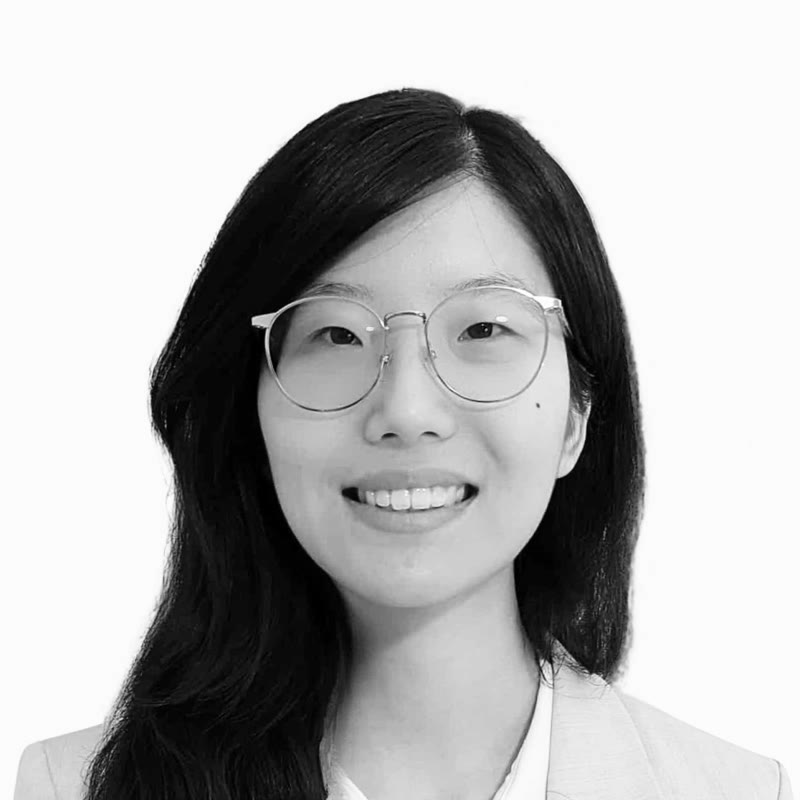
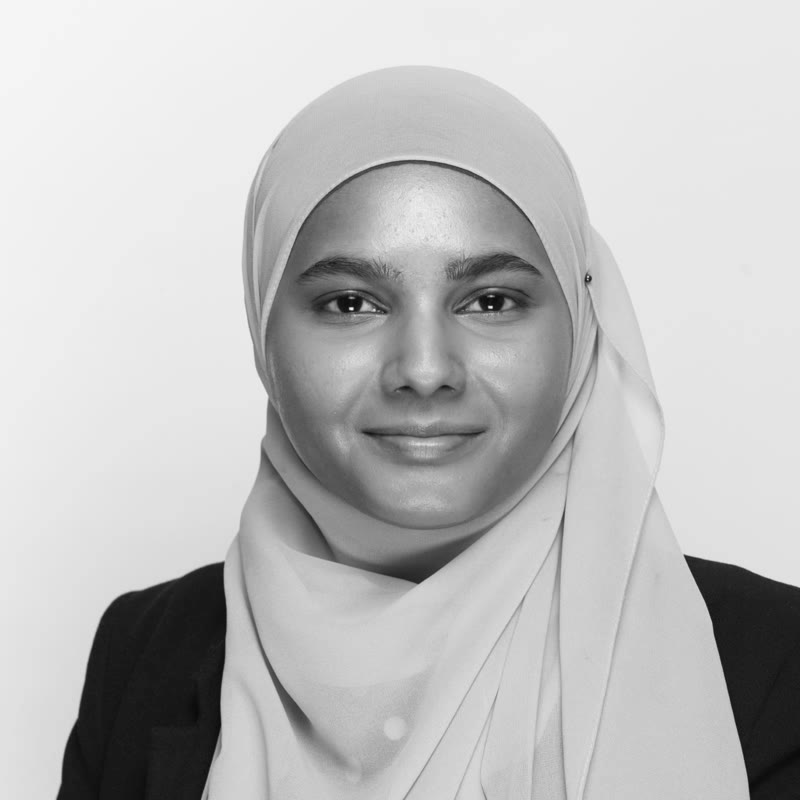
Portrait of Sara Rashighi

Co-founder

Health designer and researcher

Sara Rashighi

MDes · MLA · BEng

Sara Rashighi is a health and systems designer and researcher whose practice explores complex human experiences through participatory research, design, and public engagement. Her work spans mental and emotional well-being, workplace violence prevention, end of life, loss, and life transitions, with a particular interest in existential questions of life, death, and meaning.

She holds a Master of Design in Design for Health from OCAD University and a certificate in Analytical Psychology from the C.G. Jung Institute, and is currently training in psychodynamic psychotherapy. Her work has been recognised with the Medal of Design and Research and the President's Award from OCAD University. During the COVID-19 pandemic, she founded RavanNiush, a digital mental health platform serving Farsi-speaking communities worldwide. She currently serves as Quality Lead for Workplace Violence Prevention at the University Health Network (UHN), leading initiatives that bring together research, design, and organizational change.

She has been a member of the Dying. collective since 2023, co-curated four consecutive editions of the Dying.series as part of the DesignTO Festival, and served as Project Manager for the 2026 edition — leading the delivery of an exhibition featuring international artists and designers and a two-day hybrid global symposium.

Her practice translates inquiry into published findings, tangible artifacts, and public experiences, creating pathways for research to move beyond academia and into practice.

Focus

  • Quality improvement in workplace violence prevention
  • Design for mental and emotional well-being
  • End of life, loss, and life transitions
  • Existential psychology, life, death, and meaning through art and design
  • Participatory and installation-based inquiry
  • Public programming and knowledge mobilisation

Awards

  • Seed Fund for Creative Entrepreneurs, OCAD University, 2026
  • Seed Fund for Creative Entrepreneurs, OCAD University, 2025
  • Medal of Design and Research, OCAD University, 2024
  • President's Award, OCAD University, 2024
  • Design for Health Project Grant, OCAD University, 2024

International collaborators

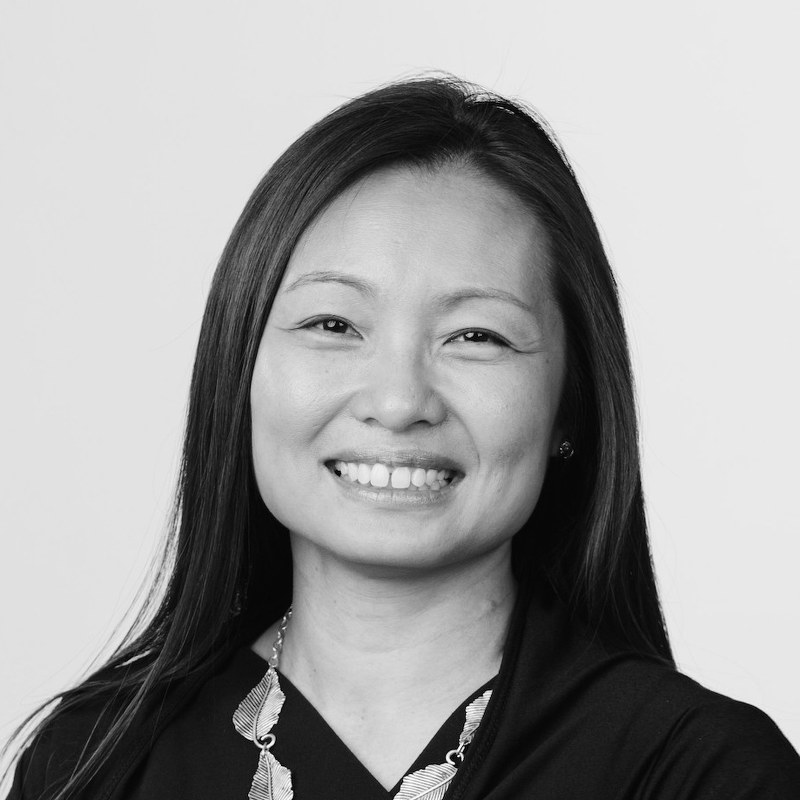
Portrait of Alexandre Ngoc Nguyen Teichmann

Alexandre Ngoc Nguyen Teichmann

Psychiatry Resident, University of Ottawa · MSc Candidate, University of Toronto

Alexandre Ngoc Nguyen Teichmann is a psychiatrist-in-training at the University of Ottawa, where he is completing his residency in Psychiatry. He completed his Doctor of Medicine at the University of Montreal in 2025 and is concurrently pursuing a Master’s in Health Systems Leadership and Innovation at the University of Toronto. His clinical and research interests include digital psychiatry, consultation-liaison psychiatry, and medical psychiatry, with a particular interest in the intersection of mental and physical health and the role of technology and artificial intelligence in psychiatric care. Through his work in mental health, he hopes to explore how technology, clinical practice, and humanistic approaches can better attend to the different dimensions of physical and mental illness.

Portrait of Alison Wu

Alison Wu

Psychiatry Resident, University of Toronto

Alison Wu is a resident physician in Psychiatry at the University of Toronto. She completed her Doctor of Medicine degree at the University of Toronto, in addition to an Honours Bachelor of Science in Translational and Molecular Medicine at the University of Ottawa. She has a deep interest in the interplay between physical and mental illness, particularly within the domains of aging, cognition, cancer care, and end-of-life care. This interest is reflected in her involvement in cancer research, through which she was awarded the Lela Parlow Memorial Cancer Research Fellowship, as well as her engagement on the student committee of the Canadian Association of Psychosocial Oncology. She aspires to pursue an academic career in psychosocial oncology and consultation-liaison psychiatry.

Portrait of Andreas Pilot

Andreas Pilot

Professor of Building Information Modelling, Anhalt University of Applied Sciences

Andreas Pilot is an architect and Professor of Building Information Modelling at Anhalt University of Applied Sciences in Germany. He completed his doctorate at ETH Zurich on how artificial intelligence is changing interdisciplinary BIM in design education, with fieldwork at TU Darmstadt and Erfurt University of Applied Sciences, where he also held a visiting professorship. In practice he has worked on built healthcare projects; his interest has stayed with what a building contributes to care rather than merely houses. His teaching and research centre on design intention: how it is modelled, and how surroundings are perceived, both as imagined and as built. He has been appointed to standardisation committees of DIN and the Association of German Engineers (VDI) and serves as a juror in architecture and BIM awards, both in an honorary capacity.

Portrait of Christine Dunger

Christine Dunger

Assistant Professor in Qualitative Health Services Research and Ethics, Paracelsus Medical University Salzburg, Austria · Witten/Herdecke University, Germany

Christine Dunger is a trained nurse who studied and earned her doctorate at Witten/Herdecke University. She works at its Chair of Social Philosophy and Ethics in Healthcare, where she was a research associate on two BMBF-funded projects on society’s approach to death and dying (“30 Young People”; “30 Thoughts on Death”). After her PhD, she joined Paracelsus Medical University Salzburg’s Institute for Nursing Science and Practice, where she is deputy director of the PhD programs and assistant professor in Qualitative Health Services Research and Ethics. She co-edits the Springer VS book series “Palliative Care and Research” and the journals “pflegen:palliativ”, “QuPuG”, and “Pflege & Gesellschaft”, and chairs the German Society for Nursing Science’s Ethics Committee. Her research covers nursing decision-making, end-of-life care, organizational research, healthcare ethics, qualitative research methods, and research ethics; she teaches the last two, along with philosophy of science, at several universities.

Portrait of Dominik Fugmann

Dominik Fugmann

Senior Physician and Physician-Scientist in Psychosomatic Medicine, Psycho-Oncology and Existential Health · LVR-Klinikum Düsseldorf & University Hospital Düsseldorf, Germany

Dominik Fugmann is a physician-scientist and senior physician in psychosomatic medicine and psychotherapy, working clinically at LVR-Klinikum Düsseldorf and in research at University Hospital Düsseldorf, Germany. Originally trained as a general surgeon, his work now spans inpatient psychotherapy, psycho-oncology, and existential health. He studies how people respond to serious illness, mortality, and uncertainty, with particular interests in fear of death, meaning, psychological distress, and medical decision-making. His research also includes digital patient-reported outcomes and psychosocial interventions in cancer care. He currently leads several clinical research projects and is establishing a research group focused on existential health in patients and healthcare professionals.

Portrait of Gideon Menda

Gideon Menda

Head of the Existential Psychotherapy & Counselling Program, Kibbutzim College

Gideon Menda is an existential psychotherapist, group facilitator, lecturer, and supervisor. He is the Founder and Head of the postgraduate Existential Psychotherapy & Counselling program at Kibbutzim College, Tel Aviv, and Co-founder of the Israeli Multidisciplinary Association for Psychotherapy. He was a member of the founding team of FETE (the Federation for Existential Therapy in Europe) and served as its Chair from 2023 to 2025. He is a graduate of the New School of Psychotherapy and Counselling in London, UK, and holds a doctoral degree in Existential Psychotherapy from Middlesex University, UK. His work focuses on applying an existential-phenomenological approach to psychotherapy, exploring how ontological givens such as mortality, loneliness and isolation, freedom of choice, and meaninglessness are experienced by human beings.

Portrait of Hajar Seiyad

Hajar Seiyad

Public Health Researcher · SickKids, University Health Network & University of Toronto

Hajar Seiyad is a public health and research professional whose work spans implementation science, patient- and community-engaged research, and health services research. She holds a Master of Public Health from Brock University and an Honours Bachelor of Science from the University of Toronto, where she studied Mental Health Studies and Political Science. She currently works in research roles across SickKids, UHN, and the University of Toronto, contributing to projects focused on patient and healthcare provider experiences, workplace violence in healthcare, and the health and well-being of children and youth. Her broader research interests centre on understanding lived experiences within healthcare systems and using these perspectives to inform more responsive and equitable approaches to care.

Portrait of Joseph Nimako

Joseph Nimako

Research Analyst, Workplace Violence Prevention, University Health Network

Joseph Nimako is a Research Analyst with the Workplace Violence Prevention team at University Health Network (UHN), where he supports research, evaluation, and system-level initiatives focused on workplace safety, staff experience, and healthcare quality improvement. He holds an Honours Bachelor of Arts in Psychology with a minor in Criminology from Toronto Metropolitan University and has additional training in digital health, healthcare artificial intelligence, and implementation. His interests include mental health, human behaviour, and the ways individuals and healthcare professionals make sense of complex experiences that do not always have straightforward solutions.

Portrait of Kate Sellen

Kate Sellen

Associate Professor and George Soulis Chair, Systems Design Engineering, University of Waterloo · Professor of Design, OCAD University

Kate Sellen is the George Soulis Chair in Systems Design at the University of Waterloo and Professor of Design at OCAD University. Her work spans design, technology, and human-centred approaches to complex problems. Her research and teaching focus on design theories and techniques for understanding people’s needs and experiences and translating those insights into thoughtful, practical design solutions. She is particularly interested in interdisciplinary collaboration and the role of design in improving systems, services, and technologies.

Portrait of Lara Dreismann

Lara Dreismann

Clinician-Scientist, Interdisciplinary Clinic for Stem Cell Transplantation, University Medical Center Hamburg-Eppendorf, Germany

Lara Dreismann is a clinical psychologist and psychotherapist (psychodynamic approach), a psycho-oncologist, and a clinician-scientist. Her work focuses on the (inpatient) treatment of cancer patients and their close ones, as well as on research into psycho-oncological care and vulnerable groups. She is active in several professional associations, championing the interests of those in the early stages of their careers. She teaches in various degree programs at universities and in psychotherapy training, and leads continuing education courses on topics such as communication in oncology, coping with one’s own emotions when working with patients, professional grief, and saying goodbye.

Portrait of Lauren Squires

Lauren Squires

Research Lead, Sexual and Gender Diversity in Cancer Care (SGDc) Program, University Health Network

Lauren Squires recently completed her PhD in Social and Behavioural Health Sciences at the University of Toronto Dalla Lana School of Public Health and is the Research Lead of the Sexual and Gender Diversity in Cancer Care (SGDc) Program in the University Health Network Department of Supportive Care. She is also a member of the Department of Supportive Care EDI Team. Her research focuses on improving access to equitable care for sexual and gender diverse (SGD) people diagnosed with cancer. Through her dissertation research she has explored online support group use among SGD people diagnosed with cancer in Canada, with the goal of optimizing these groups to better meet their unique supportive care needs.

Portrait of Margo Kennedy

Margo Kennedy

Clinical Lead, Sexual and Gender Diversity in Cancer Care Program, Princess Margaret Cancer Centre, University Health Network

Margo Kennedy (she/her) is an oncology Social Worker at the Princess Margaret Cancer Centre and Clinical Lead for the Sexual & Gender Diversity in Cancer Care Program. Her passion for health equity and inclusive care, combined with a deep appreciation for the many barriers and challenges 2SLGBTQ+ people may encounter throughout their cancer experience, drives her work. Margo is committed to advancing cancer care so everyone can receive affirming, person-centred support. She believes that addressing inequities in care is essential to improving health outcomes, fostering trust, and creating a greater sense of connection and belonging for patients and families. Through education, advocacy, and community-building, she is dedicated to helping ensure that gender, sexuality, and relationship diversity are recognized, respected, and meaningfully included in cancer care.

Portrait of Soo Min Toh

Soo Min Toh

Professor of Organizational Behaviour and Human Resource Management, University of Toronto Mississauga

Soo Min Toh is a Professor of Organizational Behaviour at the University of Toronto Mississauga, cross-appointed to the Rotman School of Management, University of Toronto, and holds honorary appointments at the University of Edinburgh Business School and the Judge Business School, University of Cambridge. She directs the Culture, Relationships and Well-Being Lab (CRAWL) and her work has involved organizations around the world and produced practical managerial insights in the areas of organizational culture change, leadership, cooperation, well-being, and cross-cultural management. She currently leads VOICE – a collaborative research initiative aimed at building safer, more inclusive work environments, with a particular focus on the prevention and recovery from workplace violence in healthcare settings, among healthcare leaders and professionals, and nursing students.

Portrait of Sophie Kievernagel

Sophie Kievernagel

Doctoral Researcher & Psychotherapist in Training, Philipps University Marburg, Germany

Sophie Kievernagel is a doctoral researcher in clinical psychology and psychotherapy at Philipps University Marburg, Germany. Her doctoral research focuses on expectations and expectation violations in communication about death and dying, with particular emphasis on the perspective of relatives. Alongside her research, she is completing her training as a cognitive behavioral psychotherapist at the Institute for Psychotherapy Training Marburg (IPAM) and works as a psychologist at the Vitos Psychiatric Day Clinic in Marburg.

Portrait of Susanne Haller

Susanne Haller

Director, Elisabeth Kübler-Ross Academy, Hospice Stuttgart

Susanne Haller is a nurse who has headed the Elisabeth Kübler-Ross Academy, a division of Hospice Stuttgart, since 2008. The academy offers continuing education and professional development in palliative care and grief counselling for healthcare professionals. A particular focus of her work is supporting the professionals themselves: daily work in palliative care brings intense encounters with seriously ill and dying children, adolescents, and adults — and one’s own confrontation with death. Susanne has established support groups that help staff recognize stress early, prevent burnout, and strengthen psychological resilience: spaces where fears and uncertainties in the face of death can be shared, grounded in the recognition that stressful situations need not be carried alone.

Governance

existentials:LAB is an independent scholarly initiative convened by Christian Schulz-Quach, Scholar at the Wilson Centre for Research in Education and Education Investigator 2 at The Institute for Education Research (TIER), University Health Network and University of Toronto. The Wilson Centre — a joint UHN / University of Toronto entity — provides a natural institutional home for the lab’s bridging of health professions education, clinical scholarship, and applied humanities. The lab adopts a deliberately light institutional footprint and an internationally distributed scholarly governance.